How Small Roof Repairs Can Prevent Big Structural Problems
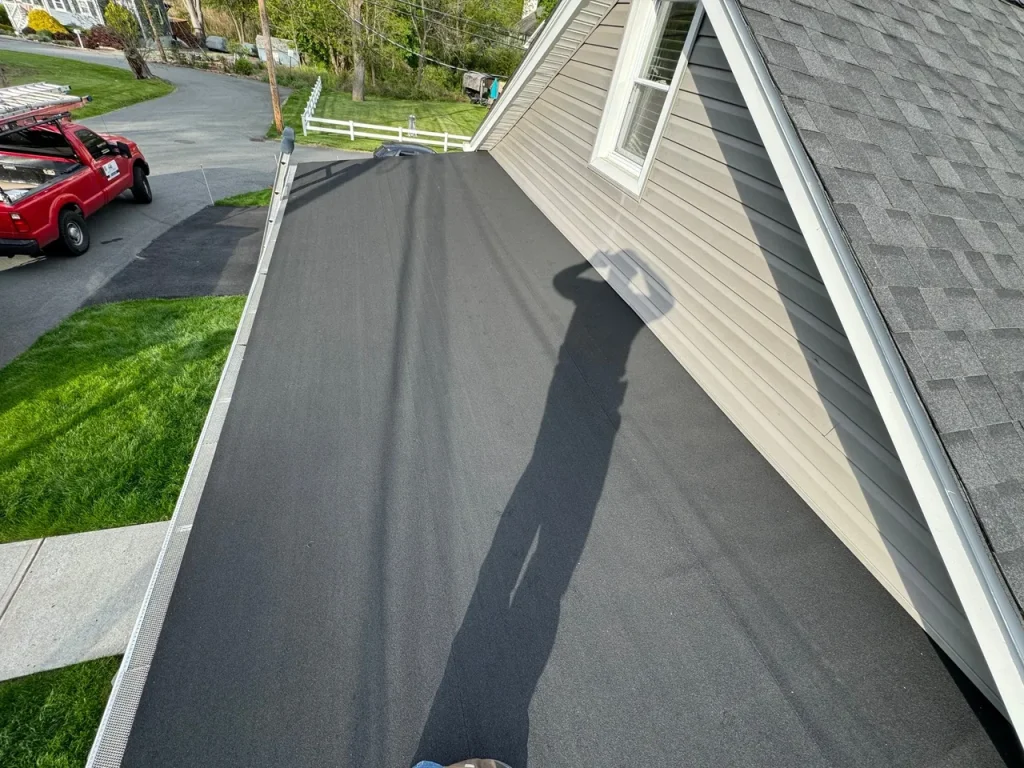
A roof rarely fails all at once. Most serious structural damage starts quietly, with a lifted shingle, a cracked flashing joint, a nail backing out near a vent, or a small area of ponding water that lingers longer than it should. Those details look minor from the ground. In practice, they are often the first visible signs that water has found a path into the building envelope.
That is what makes timely roof repairs so important. They are not only about stopping a drip over a hallway or replacing a few weathered materials. They are about preserving the framing below, protecting insulation, preventing mold, and avoiding the slow chain reaction that turns a manageable service call into a major restoration project.
Property owners tend to focus on roofs when there is an obvious leak. By that point, the damage is often no longer limited to the roof covering. Moisture may already have reached the roof deck, rafters, ceiling finishes, wall cavities, and in some cases electrical systems. A small repair made early can cost a fraction of what is needed once structural members, drywall, flooring, and indoor air quality are involved.
The roof is a system, not just a surface
One of the most common misunderstandings about roofs is the idea that the shingles, tiles, or membrane are the whole story. They are only the outermost layer. A functioning roof depends on several parts working together: underlayment, flashing, decking, ventilation, drainage, fasteners, and the structural framing beneath. If any one of those parts fails, the consequences can spread far beyond the original weak point.
Take flashing as an example. Flashing is usually installed around chimneys, skylights, valleys, dormers, and wall intersections. It is not flashy work, and most homeowners never notice it unless it is missing or badly rusted. Yet a failure in flashing is one of the most common causes of leaks. Water does not need a wide opening. A gap measured in millimeters can be enough, especially when wind drives rain sideways.
The same is true at the roof edge. Fascia, drip edge, and gutter alignment affect how water leaves the roof. If runoff spills behind the gutter because the edge metal is loose or poorly installed, the moisture can soak the roof sheathing and the top of exterior walls. Over time, that can lead to rot in the eaves, stained soffits, peeling paint, and weakened framing where the wall meets the roofline.
When professionals talk about preventive roof repairs, this is what they mean. They are looking beyond the visible surface and asking whether water is being controlled at every transition.
How a minor leak becomes a structural problem
Water is patient. It follows gravity when it can, but it also wicks sideways through porous materials, clings to framing, and evaporates into enclosed spaces where it can condense elsewhere. A small leak in one location can create visible damage several feet away, which is why roof issues are sometimes misdiagnosed at first.
A typical sequence looks something like this. Rain enters through a small breach in the roof covering or flashing. It wets the underlayment, then the roof deck. If the deck stays damp, plywood delaminates or boards begin to soften. Nails lose holding strength. The roofing above becomes more vulnerable to wind damage because the substrate is no longer sound. Meanwhile, moisture reaches insulation, which loses performance when wet. In winter, that can create colder roof sections and contribute to ice dams in colder climates. In warm conditions, trapped moisture supports mold growth and wood decay.
Structural problems do not always show up dramatically. More often, they appear as subtle changes: a slight sag in the roof plane, persistent ceiling stains, a musty smell in the attic, cracked interior paint near exterior walls, or doors that begin to stick because moisture has altered nearby framing. By the time these symptoms are obvious, the repair usually involves more than replacing shingles.
I have seen a patch of missing tabs after a windstorm ignored for one season because the owner assumed the underlayment would hold. It did, until repeated storms forced water into the decking around a valley. By the following spring, the repair had grown from a modest shingle service into partial deck replacement, new flashing, insulation removal, ceiling repair, and repainting in two rooms. The visible roof issue was small. The hidden damage was not.
The vulnerable areas where small defects matter most
Not every part of the roof carries equal risk. Broad open sections can often tolerate minor wear for a time, especially on newer systems. Trouble usually starts where geometry becomes complicated or where water concentrates.
Penetrations are high on that list. Plumbing vents, exhaust stacks, satellite mounts, solar attachments, and skylights all interrupt the field of the roof. Each opening must be flashed correctly and sealed with materials that can survive thermal movement and weather exposure. Sealants age. Rubber boots crack. Fasteners loosen. A repair that takes an hour can prevent months of hidden moisture intrusion.
Valleys deserve similar attention because they collect a lot of runoff. A roof may shed thousands of gallons of rainwater in a year depending on local climate and roof size. Valleys handle an outsized share of that flow. If debris builds up there, if flashing corrodes, or if shingles wear thin from concentrated water movement, leaks tend to follow.
Low-slope roofs have their own set of concerns. On these systems, drainage is everything. A small blister, open seam, or clogged drain can keep water in contact with the membrane far longer than intended. Ponding water does not always cause immediate failure, but it accelerates material fatigue and increases the chance that water will exploit any existing weak point. On commercial buildings especially, neglected low-slope repairs can lead to saturated insulation and widespread deck deterioration before anyone notices from inside.
Chimneys and masonry transitions are another frequent source of problems. Masonry expands and contracts differently than roofing materials. Mortar joints crack. Counterflashing separates. Water enters at the joint and travels downward into framing or wall cavities. Because the leak begins high and stays concealed, owners often discover it only after interior plaster or drywall shows damage.
Why timing changes the cost so dramatically
There is a steep cost curve in roofing. Early intervention tends to be straightforward. Delay introduces compounding damage, and that is where budgets get hit.
A few broken shingles or a resealed flashing joint may fall into the low hundreds of dollars in many markets, though pricing varies widely by region, roof height, material, and access. If water has penetrated the deck, the cost rises because roofing materials must be removed, damaged sheathing replaced, and surrounding areas inspected for hidden deterioration. Once interior repairs are needed, the work extends to insulation, drywall, paint, trim, and sometimes flooring. If mold remediation enters the picture, costs rise again and scheduling becomes more complicated.
There is also the question of timing in relation to weather. Emergency repairs during active leaks, storm seasons, or freezing conditions are usually less efficient and more expensive than planned service during stable weather. Crews may have to tarp first, return later, and work around moisture that prevents proper installation. Some materials also require certain temperature ranges to perform well, which means a repair deferred too long can become both pricier and harder to execute correctly.
Insurance does not always soften the blow. Policies often distinguish between sudden storm damage and deterioration due to deferred maintenance. If a roof problem has clearly developed over time and was not addressed, portions of the resulting damage may not be covered. That is one reason documentation and regular inspection matter, especially for older properties.
Hidden moisture does more than rot wood
The structural risks get most of the attention, but moisture from an unrepaired roof can create several secondary problems that are expensive in their own right.
Wet insulation is one of the first casualties. Fiberglass and blown-in insulation lose effectiveness when saturated, which affects heating and cooling costs. In attic spaces, poor thermal performance can create uneven roof temperatures. In colder regions, that can encourage snowmelt higher on the roof and refreezing at the eaves, which forms ice dams. Those dams push water backward under shingles, causing leaks in places that appeared sound.
Indoor air quality can also decline. Persistent roof leaks create ideal conditions for mold growth on sheathing, rafters, and ceiling materials. Not every damp area becomes a major contamination event, but chronic moisture should never be dismissed. Even limited growth can produce odors, trigger complaints from occupants, and require targeted removal.
Electrical risk is another overlooked issue. Water that travels along framing can reach recessed lights, junction boxes, fans, and wiring paths. It does not happen in every leak, but when it does the repair scope changes quickly. Suddenly the roof is only part of a broader building safety issue.
Then there is the effect on finishes and resale value. Ceiling stains, bubbling paint, and warped trim create a visible record of neglect. Even if the active leak is repaired later, buyers and inspectors often ask what happened behind the surfaces. A history of unresolved roof issues can complicate transactions because everyone understands that water damage is rarely confined to what can be seen.
What early roof repairs usually involve
Many preventive repairs are not dramatic. That is exactly why they are worth doing. They tend to be targeted, efficient, and far less disruptive than restoration work after a leak has spread.
Here are some of the most common small repairs that prevent larger failures:
- Replacing damaged or missing shingles, tiles, or small membrane sections before underlayment and decking are exposed.
- Resealing or replacing flashing at chimneys, skylights, roof-to-wall intersections, and penetrations.
- Correcting minor drainage issues, such as clogged scuppers, blocked valleys, or misaligned gutters that force water where it does not belong.
- Refastening loose components, including ridge caps, metal edging, and vent covers that wind can lift over time.
- Repairing localized deck soft spots before they spread and compromise surrounding roofing materials.
Each of these repairs sounds modest because it is, compared with replacing rotten sheathing or sistering damaged rafters. The challenge is that owners often wait until evidence inside the building confirms the problem. By then, the simple version of the repair is no longer on the table.
The role of inspections, especially after storms
Routine inspection is where preventive maintenance turns from a vague idea into a practical system. Roofs age gradually, but they can also change in a single afternoon after high wind, hail, falling limbs, or freeze-thaw cycling. A roof that looked fine in September may need service in October after one severe storm.
That does not mean every property owner needs to climb onto the roof. In many cases, they should not. Steep slopes, fragile materials, and wet surfaces make roof access hazardous. But someone should be paying attention, whether that is the owner from the ground and attic, a facility manager, or a qualified roofing contractor on a set schedule.
After storms, some signs are worth immediate attention. Debris impact, lifted shingles, granule accumulation in gutters, bent flashing, and water marks in the attic all justify a closer look. On low-slope commercial roofs, displaced membrane seams, punctures from windborne debris, and blocked drains are common post-storm findings.
Age also matters. A newer roof may only need periodic checks, while an older roof nearing the end of its service life benefits from more frequent professional review. That is not alarmism. It is simply the reality that materials become less forgiving over time. Sealants shrink, fasteners back out, and repeated thermal movement opens pathways that did not exist when the roof was new.
When a repair is enough, and when it is not
Good judgment is essential in roofing because not every problem should be solved with another patch. Sometimes a small repair is exactly the right move. Sometimes it only delays a larger replacement that is already due.
If damage is isolated, the underlying deck is sound, and the surrounding roof system still has useful life, repairs make sense. This is common after limited wind damage, localized flashing failure, or a single penetration leak. In those cases, prompt repair can restore performance without overspending.
If the roof has widespread deterioration, chronic leaking in multiple areas, or significant age-related wear, repeated repair may become false economy. A patch on one side of the roof does not solve brittle shingles everywhere else. New flashing around one chimney will not reverse deck rot in several valleys. Experienced contractors usually evaluate the repair in context, not in isolation. That can be frustrating for owners who want a simple yes or no, but it is the honest approach.
There are also material matching issues. On some roofs, especially older tile, metal, or discontinued shingle lines, a technically sound repair may still leave visible differences in color or profile. On historic properties, preserving original appearance may require more careful material sourcing or custom fabrication. Those are not reasons to ignore the problem. They are reasons to address it thoughtfully before the damage spreads.
Small maintenance habits that protect the whole structure
Preventive roof care is less about constant tinkering and more about avoiding the conditions that turn minor defects into structural trouble. Most building owners do not need a complicated program. They need consistency.
A sensible maintenance routine usually includes the following:
- Check the attic or top floor ceilings for stains, musty odors, or damp insulation after major rain.
- Keep gutters, downspouts, valleys, and roof drains clear so water can leave the roof quickly.
- Trim back overhanging branches that drop debris, scrape roofing surfaces, or increase impact risk during storms.
- Schedule professional inspections periodically, and always after major wind or hail events.
- Act on small findings quickly instead of waiting for the next season.
None of these measures are expensive compared with structural repair. Their value lies in catching change early. A roof rarely asks for much, but it does respond badly to neglect.
What professionals look for that owners often miss
A trained eye sees patterns that do not stand out to most people. That matters because roofs often fail by clues rather than by obvious holes.
For example, a contractor may notice shingle distortion near a bathroom vent and suspect trapped moisture from poor attic ventilation, not just exterior weathering. They may see granular loss concentrated below a valley and recognize accelerated runoff wear. They may probe a suspicious area of sheathing from the underside and find the beginning of decay where the surface still feels firm above. On metal roofs, they may spot early fastener back-out or failed washers long before a leak presents indoors.
They also understand sequencing. Some repairs must address cause before symptom. Replacing stained ceiling drywall before fixing the roof detail above is wasted effort. Resealing a flashing joint without correcting a gutter overflow that constantly soaks the area may only buy a short reprieve. Real roof repair is diagnostic work as much as it is installation work.
This is one reason low bids can be misleading. A cheap patch may stop visible dripping for the moment but ignore wet decking, failed adjacent materials, or the drainage problem that created the leak. A stronger repair costs more upfront because it deals with the assembly, not just the stain on the ceiling.
The long view, protection through intervention
Buildings last when water is managed well. It sounds simple, but the entire history of construction supports it. Wood, steel, masonry, insulation, finishes, and fasteners all deteriorate faster when moisture gets where it should not. The roof is the first line of defense, and even small failures at that level can set larger structural problems in motion.
That is why the phrase Roof Repairs should not suggest nuisance work or cosmetic patching. At their best, roof repairs are protective interventions. They preserve the deck before it softens, the rafters before they rot, the insulation before it fails, and the interiors before they stain and mold. They also preserve options. A small repair done now keeps a property owner in control of cost, timing, and scope. Waiting too long hands that control over to weather and deterioration.
Most major roof-related structural problems begin as minor, fixable issues. The practical lesson is not to fear every Roof Repairs blemish on a roof. It is to respect what small defects can become if they are given enough time. A prompt repair may not look dramatic from the driveway, but it can be the decision that saves the framing, the finishes, and a great deal of money down the road.
Royalty Exteriors
151 NJ-10 Suite 103A
Succasunna, NJ 07876, United States
+1 973-333-7234
FAQ About Roof Repairs
Can you fix a roof leak without replacing the whole roof in Succasunna,NJ?
Often, a localized leak can be repaired without replacing the entire roof, depending on its cause and the condition of the surrounding materials. Damaged shingles, flashing, or a roof penetration may need targeted work. Royalty Exteriors offers roof repairs for leaks, storm damage, and shingle issues. An inspection is needed to determine the appropriate scope.
What is considered a minor roof leak?
A leak may be considered minor when the damage is limited to a small area and the surrounding roofing remains sound. A small ceiling stain alone does not establish the extent of the problem because water can travel before becoming visible. Have the source and any concealed damage assessed promptly.
Is it better to repair or replace a leaky roof?
The decision depends on the roof's age, overall condition, leak source, extent of damage, and history of previous repairs. A localized problem on an otherwise serviceable roof may be suitable for repair. Widespread deterioration or recurring leaks may justify considering replacement. Ask for an inspection and a written explanation of the recommended work before deciding.