Roof Repairs for Flashing Damage: Why It Matters
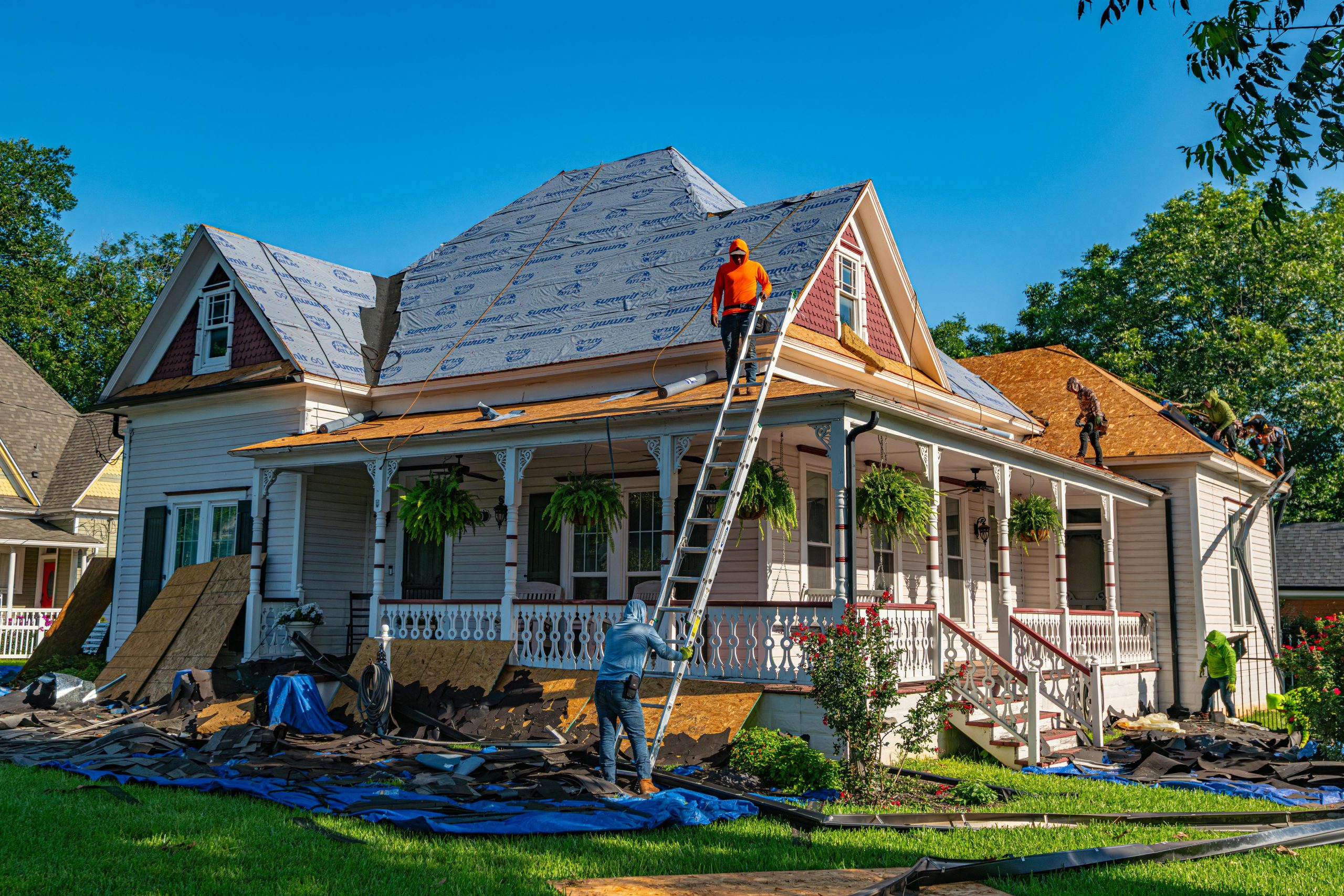
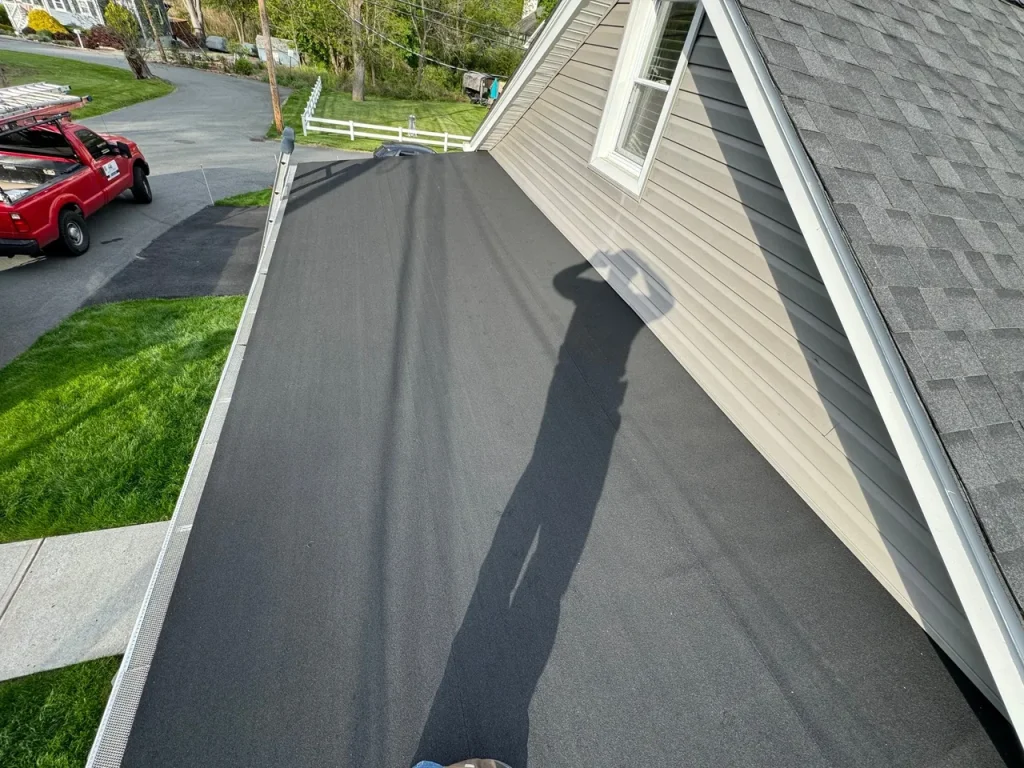

Flashing does not get much attention until it fails, and by then the damage is often already moving beyond the metal itself. In roof work, flashing sits in the quiet category of materials that do not look impressive but carry an outsized share of the job. It seals vulnerable transitions, redirects water at joints, and protects the places where shingles, tiles, brick, siding, skylights, vents, and chimneys meet. When it is damaged, loose, corroded, or badly installed, the roof can start leaking long before the main field of roofing material shows obvious wear.
That is why flashing problems deserve prompt roof repairs. A missing shingle is easy to spot. A split in step flashing behind a sidewall is not. Water can slip behind cladding, soak underlayment, stain drywall, rot decking, and soften framing while the roof still looks decent from the curb. In my experience, some of the most expensive roof repair jobs begin with what seemed like a small, localized flashing issue that was left alone for a season too long.
What flashing actually does
Flashing is usually made from metal, commonly aluminum, galvanized steel, copper, or lead in certain specialty applications. Its purpose is simple in theory and unforgiving in practice. It covers or bridges roof joints where water naturally wants to collect or migrate. Those joints include valleys, chimneys, skylights, dormers, vent pipes, sidewalls, headwalls, and roof edges.
A roof covering by itself is rarely enough at these intersections. Shingles overlap well on open slopes, but once the roof changes direction or meets a vertical surface, gravity and wind-driven rain create a more complicated path. Flashing handles that path. It sends water back onto the roof surface or safely into gutters before it can reach the wood below.
This is also why flashing repairs can be tricky. You are not just replacing a piece of metal. You are restoring a drainage path. If the repair ignores water movement and focuses only on closing a visible gap with sealant, it often fails quickly. Caulk has a role, but it is not a substitute for proper lapping, fastening, and integration with the roofing system.
Why flashing damage tends to be underestimated
Homeowners usually think of roof trouble in terms of shingles blowing off, tiles cracking, or a ceiling stain appearing after a storm. Flashing damage often stays hidden because it develops in layers. First the edge lifts slightly, or a fastener backs out, or sealant dries and shrinks. Then wind-driven rain finds a route under the metal. Then the underlayment or decking starts taking on moisture. The interior signs may not show up until much later, sometimes in a different room from where the problem began.
Another reason it gets underestimated is that many flashing failures do not come from age alone. They come from details. A contractor may have reused old flashing during a reroof when it should have been replaced. Step flashing might have been installed incorrectly, with pieces too short or not lapped correctly. Counterflashing around a chimney may be face-nailed and sealed instead of properly cut into the mortar joint. Roof cement may have been spread over a leak years earlier, buying a little time while creating a mess for the next repair.
The result is a category of roof repairs that looks minor on the invoice line item but can be major in consequence.
The places where flashing fails most often
Some roof areas repeatedly show up in service calls because they concentrate water and movement. Chimneys are near the top of that list. The joint between masonry and roofing expands, contracts, and catches runoff from a wide roof area. If base flashing and counterflashing are not installed as separate, overlapping components, leaks become likely.
Skylights are another common problem area. Even quality skylights can leak if flashing kits are installed out of sequence or paired with the wrong roof pitch. I have seen homeowners blame the skylight glass, only to find the actual issue was a side flashing piece bent by foot traffic during a gutter cleaning.
Vent pipes seem simple, but pipe boots crack with UV exposure and age. On asphalt shingle roofs, the rubber collar often gives out before the shingles around it. A small split can let Roof Repairs Royalty Exteriors in surprising amounts of water during a hard rain, especially when snow or debris causes water to linger around the penetration.
Sidewalls and headwalls matter too. Where a sloped roof meets a vertical wall, the flashing must work with siding, brick, stucco, or another cladding system. That coordination is where many workmanship mistakes happen. Roofing and siding are different trades, and when each assumes the other handled the weatherproofing correctly, the homeowner is left with the leak.
Early signs that point to flashing trouble
Some clues are subtle, and they are worth taking seriously before the repair grows larger.
- Water stains near chimneys, skylights, or upper wall lines
- Peeling paint or bubbling drywall around ceiling corners
- Rust streaks on flashing or exposed fasteners
- Loose shingles or tiles adjacent to roof penetrations
- Sealant that is cracked, hardened, or separating from metal or masonry
Not every stain means flashing, and not every cracked bead of sealant means immediate failure. Still, when these signs cluster around roof intersections, flashing deserves a close look.
What causes flashing damage
Weather is the obvious factor, but it is only part of the story. Sun breaks down coatings and dries sealants. Freeze-thaw cycles widen tiny openings. Wind lifts edges and drives rain sideways into places that would stay dry in a gentle storm. Branches scrape metal. Foot traffic bends or punctures components that were never designed to carry weight.
Installation errors are often more decisive than weather. Using incompatible metals can lead to corrosion. Overdriven fasteners can distort the flashing and create a path for water. Underlayment might be missing where it is needed most. In some reroof jobs, old flashing remains buried under new shingles because replacing it takes more labor and may require disturbing siding or masonry. That shortcut can shave hours off the job and cost the homeowner thousands later.
Movement matters as well. Roofs and walls expand and contract at different rates. Chimneys settle. Homes shift slightly over time. Good flashing details allow for that movement without breaking the weather seal. Bad details fight the movement until they split.
Why fast repairs matter more than many homeowners expect
Water does not need a Roof Repairs large opening. A gap the width of a credit card at the wrong location can let in enough moisture to rot sheathing, stain insulation, and feed mold growth over time. Once wood stays damp, the repair is no longer limited to flashing. Now the scope may include decking replacement, underlayment, interior drywall, insulation, painting, and sometimes framing repair.
There is also a seasonal issue. A flashing defect in summer may seem minor because warm conditions let materials dry out between storms. The same defect in winter can become serious quickly. Ice dams, melting snow, and repeated freeze-thaw cycles hold water against the joint longer. In windy autumn storms, rain can be pushed uphill under a lifted flashing edge and travel farther than most homeowners would think possible.
Insurance and resale can become concerns too. Deferred roof repairs often leave a trail. Inspectors notice patched masonry at chimneys, heavy roof cement, rusted flashing, and attic staining. Buyers read those as signs of poor maintenance, even when the visible issue is repairable. Acting early usually preserves more than the roof. It preserves confidence in the house as a whole.
Repair or replace, the judgment call
Not all flashing damage requires a large project. Sometimes a targeted repair is the right answer. A pipe boot with a cracked collar can often be replaced without opening a huge section of the roof. A few pieces of damaged step flashing can be changed if the surrounding shingles are still serviceable and can be lifted and reinstalled without breaking.
Other situations call for broader work. If flashing failure has already rotted the decking, patching the metal alone is pointless. If a reroof is due within a year or two, piecemeal repairs may not make financial sense unless they are needed to stop active leakage. If chimney flashing is embedded in old, crumbling mortar, the masonry may need repointing before new counterflashing can be installed correctly.
This is where honest roofers earn their reputation. The best advice is rarely the most dramatic. Sometimes the right recommendation is a modest repair that buys several more good years. Sometimes the right recommendation is to stop spending money on repeated patches and address the whole assembly.
The problem with overreliance on sealant
One of the most common mistakes in flashing repair is treating sealant as the repair instead of part of the repair. Fresh sealant looks reassuring. It is visible, immediate, and relatively cheap. But if the flashing is lapped incorrectly, fastened poorly, or corroded through, a bead of sealant does not restore the system. It only delays the next leak.
I have seen chimneys outlined in layers of roof cement so thick they trapped water instead of shedding it. The homeowner had paid for the same leak three times in four years. Once we removed the patch material, the underlying issue was obvious: no proper counterflashing, just face-mounted metal and mastic. The permanent repair cost more than a quick patch, but less than the total of all the temporary ones combined.
Sealants still matter. High-quality sealants are useful at specific terminations and transitions, particularly when they are compatible with the metal and substrate. The issue is not using sealant. The issue is asking it to do the job of properly shaped and integrated flashing.
Materials matter, but detailing matters more
Copper lasts a very long time and handles many demanding conditions well, but it costs more and is not necessary on every home. Galvanized steel is common and durable when properly coated and installed. Aluminum is lightweight and corrosion resistant in many environments, though it may not be the best fit everywhere. Coastal homes and industrial environments can be tougher on metals because salt and pollutants accelerate corrosion.
Even so, the metal choice alone does not determine success. A premium flashing material installed with poor laps, wrong fasteners, or careless integration will still fail. A mid-range material installed with discipline and good water management can perform for many years.
That distinction matters when comparing bids. A lower estimate may reflect thin metal, reused flashing, minimal teardown, or no allowance for replacing damaged decking. A higher estimate may include proper integration with siding or masonry, which is often where the real labor sits. Without understanding the detail, homeowners can end up comparing numbers that describe very different scopes of work.
What a proper flashing repair usually involves
A real repair begins with exposing enough of the area to see how water has been traveling. That often means carefully removing surrounding shingles, tiles, or other roofing materials. The contractor should inspect the decking, underlayment, and adjacent components, not just the visible metal. If wood is soft or stained, the source may have been active longer than expected.
New flashing should be shaped for the specific location, not forced to fit. At a sidewall, for example, step flashing should be installed piece by piece with each shingle course. At a chimney, base flashing and counterflashing should work as separate layers, allowing movement while maintaining overlap. At skylights, manufacturer details matter. Many leaks begin when someone improvises around a factory flashing kit instead of following it.
The best roof repairs also think beyond the immediate leak. If a repair area is prone to ice damming, the contractor may recommend upgraded underlayment nearby. If a gutter issue is pushing water back toward the flashing, that needs attention too. Good repairs solve the cause, not just the symptom.
Questions worth asking before approving the work
Many homeowners do not need to know roofing terminology in depth, but a few focused questions can reveal whether a contractor is planning a real fix or a cosmetic patch.
- Will you replace the flashing or only reseal it
- Do you expect to remove shingles, siding, or mortar to access the area correctly
- Will you inspect the decking and underlayment for hidden damage
- Are the proposed metals and fasteners compatible
- If you find rot or masonry issues, how will the scope change
A clear, direct answer to those questions usually tells you a lot about the quality of the contractor’s process.
Cost, value, and the false economy of delay
The price range for flashing repairs varies widely because the details vary widely. Replacing a vent boot is not the same as rebuilding chimney flashing with masonry work and deck repair. Location, roof pitch, access, material type, and extent of water damage all affect labor. That is why responsible contractors often give ranges until they can open the area and inspect what is underneath.
What is predictable is the pattern of cost escalation. A small flashing repair can become a moderate structural repair if delayed. Drywall and paint add another layer. If moisture reaches insulation, energy performance suffers. If mold develops, remediation costs enter the conversation. Homeowners rarely regret fixing flashing too early. They often regret waiting until the roof forces the issue.
There is also value in preserving roof lifespan. Repeated wetting around penetrations and walls can shorten the life of adjacent shingles or tiles. Nails can rust. Underlayment can deteriorate. A local repair at the right time often protects a much larger section of roof from premature replacement.
Maintenance habits that prevent repeat problems
No roof stays maintenance-free forever, especially around penetrations and transitions. A brief visual check from the ground after major storms can catch obvious displacement. Attic inspections during heavy rain can reveal moisture before interior finishes show damage. Gutters should stay clear enough that runoff is not backing up at eaves or around wall intersections.
Tree management helps more than many homeowners realize. Branches rubbing against flashing or dropping debris into valleys create wear in places that already carry a heavy water load. On older homes, it is also wise to revisit flashing during any exterior project involving siding, masonry, skylights, solar installations, or chimney work. One trade can unintentionally compromise another trade’s weatherproofing.
The key is not obsessive inspection. It is timely attention. Roof repairs are far more manageable when the issue is still limited to metal and nearby roofing material.
When flashing damage points to a bigger roof conversation
Sometimes flashing failure is not a standalone problem. It is a sign the roof system is near the end of its service life. If shingles are brittle, granules are heavily worn, underlayment is failing, and multiple flashing areas are patched, a series of isolated repairs may no longer be efficient. In that case, replacing the roof and all associated flashings together may offer better long-term value.
That is especially true if the existing flashing was reused in a prior reroof. Reused flashing is not always wrong, but it is often a weak link. A roof replacement is the best opportunity to correct old detailing errors that have lingered through multiple repair cycles.
The right decision depends on timing, budget, and the condition of the surrounding materials. A professional assessment should weigh all three, not push a full replacement by default. Homeowners deserve repair advice grounded in service life, not sales pressure.
The real reason flashing matters
Flashing sits at the crossroads of design, material science, and workmanship. It protects the most interruption-prone parts of the roof, where neat lines on paper meet weather in the real world. When it fails, water follows the path of least resistance into places that are expensive to open and difficult to dry.
That is why roof repairs for flashing damage matter so much. They are not cosmetic touch-ups. They are interventions at the points where a roof is most vulnerable. Done early and done correctly, they preserve the roof structure, the interior, and the homeowner’s budget. Done late or done casually, they become the kind of repair story people tell with a sigh, usually while pointing to a stain that started much smaller than anyone expected.
A sound roof is not only about what covers the broad slope. It is also about the narrow pieces at the edges, corners, joints, and penetrations. Those details are where leaks begin, and where good craftsmanship proves itself.
Royalty Exteriors
151 NJ-10 Suite 103A
Succasunna, NJ 07876, United States
+1 973-333-7234
FAQ About Roof Repairs
Can you fix a roof leak without replacing the whole roof in Succasunna,NJ?
Often, a localized leak can be repaired without replacing the entire roof, depending on its cause and the condition of the surrounding materials. Damaged shingles, flashing, or a roof penetration may need targeted work. Royalty Exteriors offers roof repairs for leaks, storm damage, and shingle issues. An inspection is needed to determine the appropriate scope.
What is considered a minor roof leak?
A leak may be considered minor when the damage is limited to a small area and the surrounding roofing remains sound. A small ceiling stain alone does not establish the extent of the problem because water can travel before becoming visible. Have the source and any concealed damage assessed promptly.
Is it better to repair or replace a leaky roof?
The decision depends on the roof's age, overall condition, leak source, extent of damage, and history of previous repairs. A localized problem on an otherwise serviceable roof may be suitable for repair. Widespread deterioration or recurring leaks may justify considering replacement. Ask for an inspection and a written explanation of the recommended work before deciding.