The Most Common Causes of Residential Roof Repairs
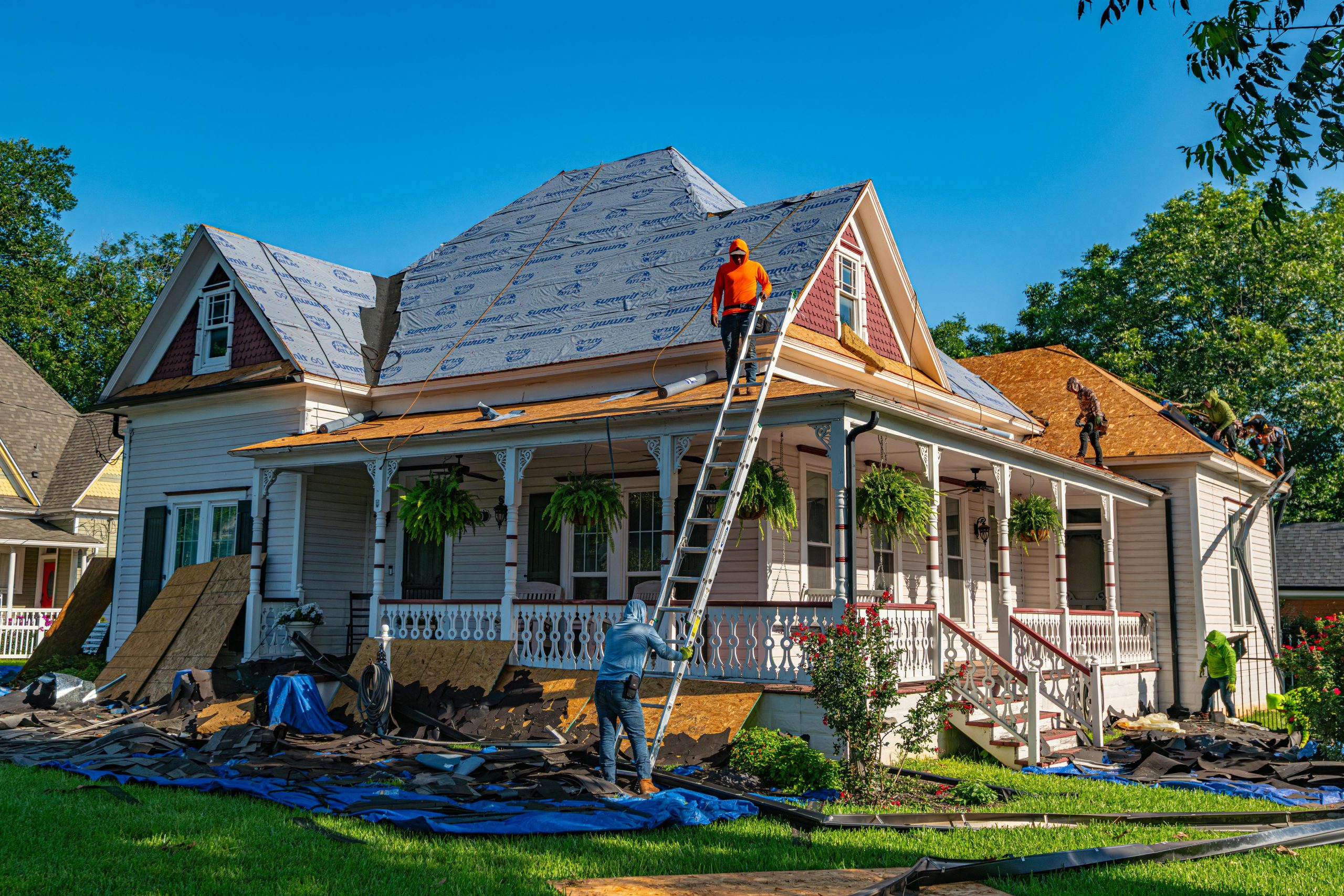
A roof usually does its best work quietly. It takes the full force of sun, rain, hail, wind, falling branches, and temperature swings without asking for much attention. That is part of the problem. Homeowners rarely think about the roof until water shows up on a ceiling, shingles appear in the yard, or a stain begins to spread along the wall near a chimney. By the time that happens, the issue has often been developing for months, sometimes years.
Most residential roof repairs come back to a fairly short list of root causes. What changes from house to house is how those causes show up, how quickly they worsen, and how expensive they become when nobody catches them early. A ten dollar cracked pipe boot can lead to interior drywall damage, mold growth in insulation, and rotted roof decking. A few lifted shingles after a windstorm can turn into a leak path that only reveals itself during a hard, angled rain. That is why it helps to understand not just what failed, but why it failed.
In the field, roof problems usually fall into one of three categories. The roof reached the end of its useful life. Weather caused sudden damage. Or some part of the installation, flashing, ventilation, or maintenance was never quite right to begin with. Often, there is overlap. An older roof is more vulnerable to wind. Poor attic ventilation speeds up shingle aging. Small maintenance issues create openings that storms exploit.
Age and normal wear
The most common cause of roof repair is simple aging. Roofing materials do not fail all at once like a light bulb. They wear down gradually. Asphalt shingles lose granules, become brittle, curl at the edges, or crack under thermal movement. Sealant strips weaken. Exposed fasteners back out. Flashings corrode. Rubber vent boots dry out and split. On older roofs, several small failures tend to appear around the same time.
How fast this happens depends on the roofing material, the local climate, roof slope, sun exposure, and installation quality. A south or west facing roof plane in a hot climate often ages faster because it takes a long afternoon beating from the sun. In places with big seasonal temperature swings, expansion and contraction can be especially hard on sealants and flashing joints. Coastal air adds another layer of stress, particularly on metal components.
Aging roofs rarely leak from the exact center of an exposed field of shingles first. More often, the weak points appear around penetrations and transitions. Valleys, chimneys, skylights, plumbing vents, furnace flues, wall intersections, and low slope areas are the places to watch. A homeowner may think, “The roof is only leaking around the fireplace,” when in reality the entire system is approaching the point where isolated repairs become less economical.
One of the most useful distinctions in Roof Repairs is the difference between isolated failure and system-wide deterioration. If a five-year-old roof has one damaged vent boot, a targeted repair makes sense. If a twenty-two-year-old roof has brittle shingles, granule loss, soft decking near a valley, and patchwork repairs in several sections, another repair may only buy a short stretch of time. That judgment matters because homeowners often spend thousands patching a roof that should have been replaced.
Wind damage that starts small
Wind is rough on residential roofs, and not always in obvious ways. People expect to see missing shingles after a storm, but many wind-related repairs begin with subtle lifting. A gust catches the bottom edge of a shingle, breaks the seal strip, and weakens the bond that helps the roof resist future uplift. From the ground, nothing looks dramatic. Then the next storm arrives, water blows under the loosened shingle, and a leak appears.
Architectural shingles can hide wind damage better than older three-tab shingles, but they are not immune. Ridge caps are especially vulnerable. So are hip edges and areas near eaves and rakes where wind pressure changes quickly. On houses with complicated rooflines, turbulence can be surprisingly localized. One slope may look untouched while another loses tabs or suffers creasing.
Wind damage often creates a tricky insurance and maintenance question. If a roof is relatively new and the damage is clearly storm-related, repair may be straightforward. If the roof is older, brittle, or already worn, the damaged section may not separate cleanly during repair. Contractors sometimes find that lifting adjacent shingles to replace one row causes additional breakage. That does not mean the contractor is careless. It means older asphalt products lose flexibility, especially in cooler temperatures.
I have seen homeowners dismiss a few blown-off shingles because the ceiling looked fine. That delay tends to cost them. Once underlayment is exposed to repeated weather, once nails become direct water entry points, and once UV begins degrading surrounding materials, what could have been a compact repair turns into sheathing replacement and interior paint work.
Hail and impact damage
Hail creates a different pattern of roof repair than wind. Wind tends to remove or lift materials. Hail bruises, fractures, dents, and dislodges protective surfaces. On asphalt shingles, the classic concern is granule loss and mat damage. On metal roofs, dents may be cosmetic or functional depending on panel type, seam design, and whether flashing or coating integrity was affected. On Roof Repairs tile or slate, hail can crack units without always making the break obvious from below.
The challenge with hail is that damage is not always easy for a homeowner to identify correctly. Scuffs from foot traffic, manufacturing variations, and normal wear can be mistaken for hail strikes. Real impact damage often leaves a more random pattern and may affect soft metals such as vents, gutters, and flashing along with the field shingles. A clean bruise in warm weather can shorten a shingle’s life even if it does not leak immediately.
In practical terms, hail-related Roof Repairs vary widely. Sometimes the only repair needed is replacing damaged ridge caps, vents, or a few fractured shingles. In other cases, the impact has compromised enough of the roof that replacement is the honest recommendation. The size of the hail matters, but so do wind speed, roof pitch, shingle age, and the direction of the storm. Two homes on the same street can come away with very different outcomes.
Flashing failures around chimneys, walls, and penetrations
If there is one category of repair that repeatedly surprises homeowners, it is flashing. Many people assume shingles do all the waterproofing. They do not. Shingles shed most of the water, but flashing protects the joints, transitions, and interruptions where a roof system is naturally more vulnerable.
Chimneys are a classic example. A proper chimney detail usually involves step flashing along the sides, apron flashing at the bottom, and a back pan or cricket on the uphill side when conditions call for it. Mortar joints, counterflashing, and sealant details all matter. When any part of that assembly is missing, corroded, improperly lapped, or heavily caulked as a shortcut, leaks often develop around the chimney chase, attic framing, or adjacent ceiling areas.
Wall intersections behave the same way. Anywhere a sloped roof meets siding or masonry, there needs to be a thoughtful transition that directs water out, not into the wall assembly. I have seen many repairs caused not by bad shingles, but by siding installed too low, step flashing omitted during a reroof, or old flashing left in place because removing and reinstalling nearby finishes was inconvenient.
Plumbing vent boots are another frequent culprit. These boots are inexpensive components, yet they are responsible for a large number of leak calls. The rubber collar around the pipe eventually cracks from UV exposure. Water follows the pipe opening into the attic and drips onto insulation or drywall. Because the leak path is so focused, homeowners often assume something major failed. In reality, the repair can be compact if caught early.
Skylights deserve their own caution. A skylight leak may be the skylight itself, the flashing around it, condensation from poor interior humidity control, or roofing material deterioration nearby. Too many quick fixes rely on surface caulk. That may slow a leak for a while, but it rarely corrects the drainage or flashing design problem underneath.
Clogged gutters and poor drainage
Not every roof repair starts on the roof surface. Sometimes the problem begins at the edge. Gutters that clog with leaves, seed pods, or roofing granules can force water to back up under shingles or behind fascia. In colder climates, this contributes to ice damming. In warmer regions, overflow can soak soffits, trim, and wall assemblies until decay spreads.
Poor drainage is especially hard on low slope sections, valleys, and roof areas below upper gutters. If one gutter outlet is blocked, a concentrated sheet of water may pour over the edge every time it rains. That overflow can erode landscaping, saturate the foundation perimeter, and rot the roof edge over time. On homes with multiple intersecting roof levels, one neglected gutter can create damage in several connected areas.
There is a practical point here that often gets overlooked. Gutters do not have to be dramatically full to create trouble. A small blockage at a downspout outlet can change water behavior enough to push it where it does not belong. Likewise, gutters that are loose, poorly pitched, or pulling away from fascia can send runoff behind the system. When roofers talk about edge metal, drip edge, and gutter alignment, they are not nitpicking. They are looking at the path water actually takes in a storm.
Ice dams and freeze-thaw cycles
In cold climates, ice dams are a major source of residential Roof Repairs. They form when heat escaping from the house warms the roof deck enough to melt snow, which then refreezes at colder eaves. That ridge of ice traps subsequent meltwater. Instead of shedding off the roof, water can back up under shingles and penetrate the roof assembly.
The roof is only part of the story. Ice dam conditions usually involve a combination of attic air leakage, insufficient insulation, uneven roof temperatures, and weather patterns that alternate between melting and refreezing. This is why some homes in a neighborhood struggle every winter while others, with similar roofs, do not.
Repairing ice dam damage often means more than replacing a stained patch of ceiling or a few courses of shingles along the eave. Wet insulation may need removal. Decking can delaminate. Fascia and soffits can soften. If the root cause is not addressed, the same leak returns the following season. That is one of the clearest examples of why roof repair should not stop at symptom treatment. Sometimes the roofing crew, insulation contractor, and attic ventilation specialist all need to be looking at the same house.
Poor attic ventilation and trapped moisture
Ventilation problems produce some of the most misunderstood roofing failures. Homeowners think of leaks as liquid water coming in from outside, but roofs also suffer from moisture generated inside the home. Warm, humid air that escapes into the attic can condense on cooler surfaces. Over time, that moisture can stain decking, feed mold growth, rust fasteners, and reduce insulation performance.
Poor ventilation also accelerates heat buildup. Excessive attic temperatures can shorten the life of asphalt shingles and distort roof components. The damage is not always dramatic, but it adds up. Shingles can age faster, adhesives can weaken, and the roof surface can lose resilience sooner than expected.
Balanced intake and exhaust matter. So does air sealing below the attic floor. A ridge vent alone does not fix an attic if soffit intake is blocked by insulation or if bathroom exhaust fans dump moist air directly into the space. That last issue comes up more often than people realize. A disconnected bath fan duct can create a damp zone in one section of the attic that quietly degrades the roof deck overhead.
When a roofer says the leak appears to be moisture-related rather than weather-related, that distinction matters. Replacing shingles will not solve condensation. The visible symptom may be on the roof, but the cause lives in the building envelope.
Fallen branches, foot traffic, and other physical damage
Storm-thrown limbs cause plenty of obvious repairs, but physical damage is not limited to dramatic impacts. Trees that overhang the roof can scrape shingles during windy weather, drop debris into valleys, and shade sections of roof long enough to promote moss growth. Squirrels and raccoons sometimes worsen existing weak points around vents or eaves. Even routine service work can create damage if technicians from other trades walk carelessly across hot or brittle shingles.
Foot traffic is a bigger issue than many homeowners assume. Satellite installers, HVAC crews, solar technicians, painters, and gutter cleaners all access roofs for legitimate reasons. If they step in the wrong place, drag equipment, crack tiles, or disturb flashing, a repair can follow weeks later with no obvious connection to the earlier visit.
Physical damage is also common around mounted equipment. Solar panel attachments, antenna brackets, holiday lighting fasteners, and improperly secured cables can all create penetrations or wear points. None of these additions are inherently bad, but they need compatible flashing details and careful installation. The roof should never be treated as a convenient surface for improvisation.
Installation mistakes that take years to reveal themselves
Some roof repairs trace directly back to workmanship. Not every leak on a relatively new roof is caused by severe weather or bad luck. Misplaced nails, overdriven fasteners, poor shingle alignment, inadequate underlayment, missing starter strips, badly woven valleys, reused flashing, and shortcuts around penetrations can all sit quietly until the right weather exposes them.
The hardest installation problems to diagnose are the ones that remain hidden for years. A valley that looked fine on day one may slowly channel water into vulnerable joints because the underlayment detail underneath was wrong. A flashing edge that relied too heavily on sealant may hold until the sealant ages. Roof cement can mask weak workmanship for a while, but it is rarely a substitute for proper overlap, mechanical fastening, and drainage design.
Homeowners often ask why a roof that passed an initial inspection now needs repair. The answer is that some deficiencies are latent. Roofing systems are tested over time by expansion, contraction, UV exposure, wind uplift, and repeated wetting. A detail can appear serviceable in mild conditions and fail under more demanding ones. That does not mean inspections are useless. It means good roofing is part craftsmanship and part long-term water management.
Moss, algae, and neglected maintenance
Biological growth does not damage every roof equally, but when conditions are right it can become a repair issue. Moss is more problematic than the dark streaking commonly caused by algae. Moss retains moisture against the roof surface, works into the gaps between shingles, and can lift edges enough to let water intrude. It is especially common on shaded north-facing slopes and beneath overhanging trees.
Neglected maintenance tends to amplify small issues. Debris in valleys traps moisture. Seedlings root in accumulated organic matter. Sealant around flashings dries and splits unnoticed. A few lifted shingles stay unrepaired through multiple seasons. Roof problems like these usually begin as manageable service calls and end as more invasive repairs because no one looked closely soon enough.
A sensible maintenance rhythm does not require constant attention, just consistency. Most homes benefit from a visual inspection after major storms and a more deliberate check at least once or twice a year, especially in regions with heavy leaf fall, hail risk, or snow loads. The point is not to obsess over the roof. It is to catch ordinary wear before it becomes structural damage.
When a minor repair is enough, and when it is not
One of the most valuable pieces of professional judgment in roofing is knowing when to repair and when to stop repairing. Homeowners understandably want the least expensive option. Sometimes that is the right call. A localized flashing issue on an otherwise healthy roof can often be corrected cleanly. A puncture from a branch, Roof Repairs a cracked vent boot, or a handful of wind-damaged shingles may not justify anything larger.
But there is a point where repeated Roof Repairs become false economy. If leaks are recurring in different areas, if granule loss is advanced, if shingles are brittle and unserviceable, or if the decking shows widespread moisture damage, patching buys less and less value. Matching older shingle colors can also be difficult, which matters for curb appeal even when performance can still be restored.
A useful way to think about it is this. The best repair solves the actual failure, restores water shedding, and leaves the surrounding roof with enough remaining life to justify the cost. If that last part is missing, repair becomes a temporary measure, not a durable solution.
What homeowners can do before a leak becomes serious
Most expensive roof repairs begin as small, ordinary issues. A homeowner does not need roofing expertise to reduce the odds of major damage, but attention helps.
Watch for changes after storms. Check the yard and gutters for shingle fragments. Look at ceilings around chimneys, skylights, and upper-story walls after hard rain. Keep gutters draining freely. Trim branches back from the roof. If a contractor from another trade needs roof access, ask how they protect roofing materials and penetrations. Those simple habits prevent more trouble than people expect.
It also helps to act on subtle warning signs. A faint ceiling stain that seems to dry out between storms is still a roof problem. Granules collecting heavily at downspouts on an older roof deserve a closer look. So do damp attic insulation, musty smells after rain, and peeling paint near roof intersections. Water has a habit of traveling before it reveals itself, which means the visible symptom is not always directly below the entry point.
Residential roofs fail for understandable reasons. Age, weather, flashing defects, drainage problems, moisture imbalance, physical damage, and workmanship issues account for most repairs. None of that is mysterious. What makes roof repair costly is usually delay, not complexity. When the cause is identified early and the fix matches the condition of the roof as a whole, many repairs remain contained, practical, and far less disruptive than homeowners fear.
Royalty Exteriors
151 NJ-10 Suite 103A
Succasunna, NJ 07876, United States
+1 973-333-7234
FAQ About Roof Repairs
Can you fix a roof leak without replacing the whole roof in Succasunna,NJ?
Often, a localized leak can be repaired without replacing the entire roof, depending on its cause and the condition of the surrounding materials. Damaged shingles, flashing, or a roof penetration may need targeted work. Royalty Exteriors offers roof repairs for leaks, storm damage, and shingle issues. An inspection is needed to determine the appropriate scope.
What is considered a minor roof leak?
A leak may be considered minor when the damage is limited to a small area and the surrounding roofing remains sound. A small ceiling stain alone does not establish the extent of the problem because water can travel before becoming visible. Have the source and any concealed damage assessed promptly.
Is it better to repair or replace a leaky roof?
The decision depends on the roof's age, overall condition, leak source, extent of damage, and history of previous repairs. A localized problem on an otherwise serviceable roof may be suitable for repair. Widespread deterioration or recurring leaks may justify considering replacement. Ask for an inspection and a written explanation of the recommended work before deciding.