What Affects the Price of Roof Replacement in Succasunna, NJ?
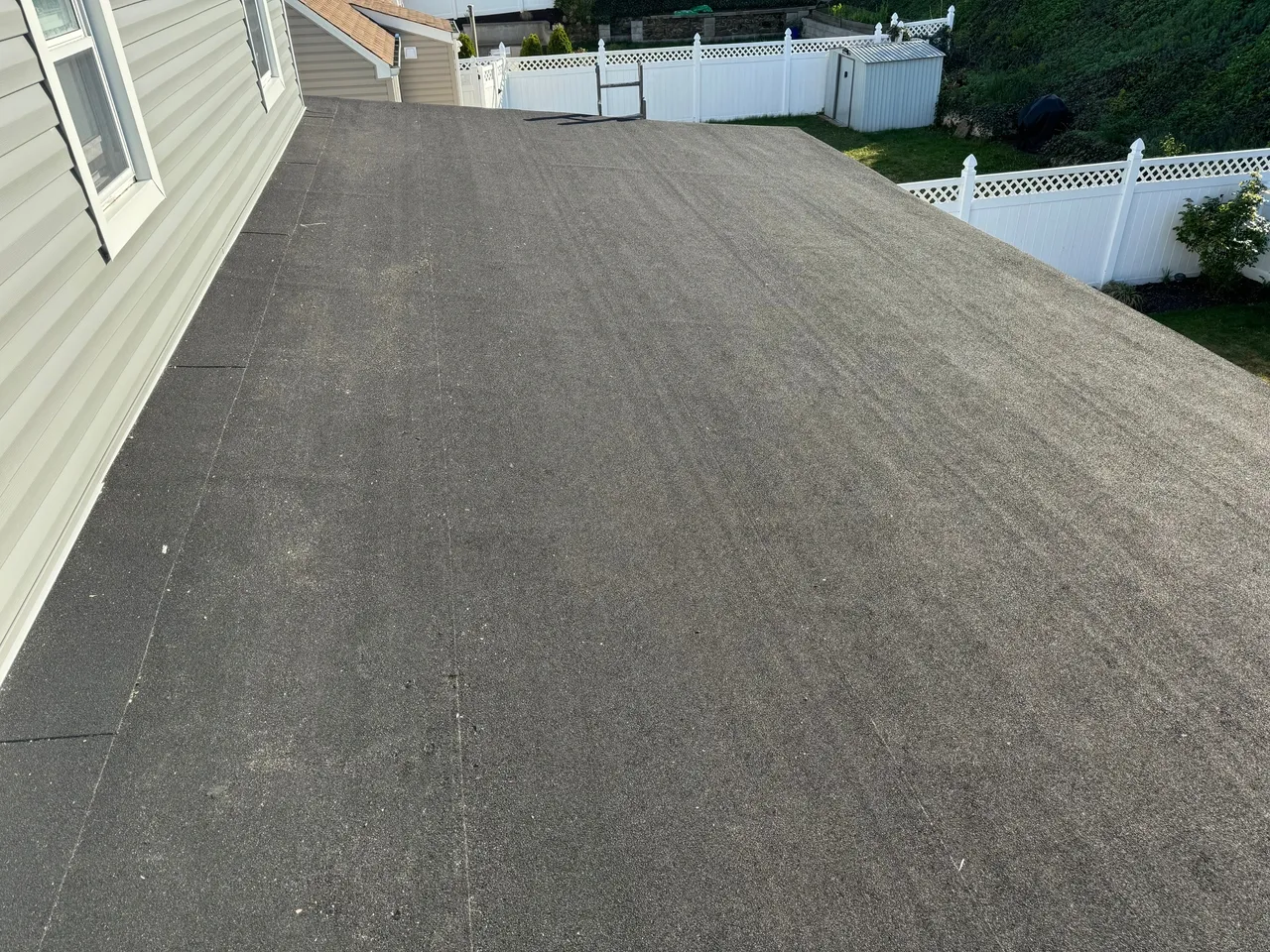
Homeowners in Succasunna usually start with the same question when a roof reaches the end of its life: how much is this really going to cost? The frustrating answer is that there is no single number that fits every house. Two homes on the same street can have very different replacement prices, even if they look similar from the curb. Roof size, slope, material choice, ventilation, flashing details, old damage hidden under shingles, and local labor conditions all shape the final proposal.
That is especially true in Morris County, where many homes have seen years of snow load, freeze-thaw cycles, summer humidity, and wind-driven rain. A roof in this area does not just need to look good. It needs to shed water cleanly, vent properly through hot summers and cold winters, and hold up under weather that can be hard on shingles, plywood, flashing, and gutters.
If you are comparing estimates for Roof Replacement Succasunna, NJ, it helps to understand what contractors are pricing, what can push the number up, and where spending more often saves money over time.
The house itself sets the baseline
The biggest driver of price is the roof you already have. Not the photo in the listing from ten years ago, not the square footage on the tax card, but the actual roof geometry a crew has to tear off and rebuild.
A simple ranch with a low-pitch roof is usually more straightforward than a tall colonial with multiple dormers, valleys, intersecting rooflines, and a chimney in the middle of everything. Roofers often talk in terms of "squares," with one square equaling 100 square feet of roof surface. What matters is roof surface area, not just the home's interior square footage. A 2,000 square foot house can end up with much more than 2,000 square feet of roofing once overhangs, pitch, and design features are factored in.
Pitch matters because steeper roofs take longer to work on and require more safety equipment and labor. A crew can move quickly on a walkable roof. On a steep cut-up roof, every bundle, nail, flashing piece, and sheet of plywood takes more effort to handle. That additional labor shows up in the estimate.
Complexity matters just as much. Valleys, skylights, vent pipes, sidewalls, chimneys, and dead valleys all create places where water management has to be exact. They also create more cutting, more flashing, and more opportunities for future leaks if the work is rushed. A roof with clean, simple planes is cheaper to replace than one with many transitions, even when total square footage is similar.
Material choice can swing the price dramatically
Once the baseline is set by size and complexity, the next major variable is material. In Succasunna, architectural asphalt shingles are still the most common choice because they offer a reasonable balance of cost, appearance, and durability. But even within asphalt, there are tiers. Basic architectural shingles cost less than premium lines that offer heavier mats, stronger wind ratings, algae resistance, or enhanced warranties when installed as part of a full roofing system.
Metal roofing, synthetic slate, cedar, and real slate can raise the price significantly. Sometimes that upgrade makes sense. A homeowner may want Roof Replacement Succasunna, NJ the lifespan or look of a higher-end material, or the house may have a style that calls for it. But every material change affects more than the exposed roof covering. Underlayment, fastening method, trim details, and sometimes structural considerations change too.
A common mistake is comparing two estimates as if the shingle brand name tells the whole story. It does not. One contractor may be pricing a full system with ice and water shield, synthetic underlayment, starter shingles, ridge vent, new pipe flashings, and manufacturer-matched ridge caps. Another may be quoting a thinner scope that looks cheaper on paper but leaves out pieces that matter. The top layer gets most of the attention, but a roof only performs as well as the system beneath it.
Tear-off is rarely as simple as it sounds
Removing the old roof can be straightforward, or it can open up a mess.
If the existing roof has one layer of shingles and the decking underneath is solid, tear-off goes quickly. If there are two layers, disposal costs rise, labor increases, and the job slows down. New Jersey homes with long ownership histories sometimes have roofs that were overlaid rather than fully removed years ago. When crews strip those roofs, they find more nails, more weight, and sometimes more damage than anyone expected.
Disposal is its own cost category. Dumpsters, dump fees, labor for site protection, magnet sweeps for nails, and cleanup all factor into the proposal. In neighborhoods with tight driveways, landscaping, or limited dumpster access, the logistics can get more complicated. Protecting a paver driveway or maneuvering around mature shrubs takes time and care. Good contractors build that into the job instead of pretending every house is an easy drop-and-go.
There is also the issue every experienced roofer knows well: hidden deck damage. Water often travels before it shows itself indoors. By the time old shingles come off, roofers may find rotted plywood near chimneys, around pipe penetrations, along eaves, or in valleys where ice dams and slow leaks have done years of quiet damage. Replacing bad decking is not optional if you want a sound installation. Most proposals include a unit price for plywood replacement because no honest contractor can guarantee the exact amount before tear-off.
Ventilation is one of the most overlooked cost factors
Homeowners often think of ventilation as a minor add-on. In practice, it can change both price and performance in a major way.
A roof that is poorly ventilated tends to age faster. In summer, trapped heat can cook shingles from below. In winter, warm moist air from the house can condense in the attic, contributing to mold, damp insulation, and wood deterioration. In cold climates like North Jersey, poor ventilation can also worsen ice dam conditions along the eaves.
When replacing a roof, contractors may recommend changes such as continuous ridge vent, improved soffit intake, baffles in the attic, or replacing old box vents with a more balanced system. Those upgrades add cost, but they usually address the reason the old roof wore unevenly in the first place. I have seen roofs fail early not because the shingle was bad, but because the attic beneath it was running hot and wet year after year.
If one estimate includes serious ventilation corrections and another simply swaps shingles for shingles, the lower number may not be the better deal. It may just be leaving the original problem in place.
Flashing details separate durable work from cheap work
When a roof leaks, the culprit is often not the field shingles. It is usually a transition point. Chimneys, skylights, roof-to-wall intersections, vent pipes, and valleys are where water tests the workmanship.
Proper flashing work costs money because it is detail-heavy and time-consuming. Step flashing along sidewalls, counterflashing at masonry, apron flashing, cricket construction behind wider chimneys, and valley treatment all require skill. Reusing old flashing may save money up front, but it is one of the most common ways a "cheap roof" becomes an expensive headache.
This is particularly relevant in older Succasunna homes, where brick chimneys may need fresh counterflashing or mortar work, and where additions built over different decades can create awkward transitions. A contractor who takes the time to evaluate those intersections carefully will often price higher than one who treats everything as standard. That higher number can reflect competence, not overcharging.
Local weather in Succasunna influences installation choices
Roof replacement in this part of New Jersey is not priced in a vacuum. Weather patterns affect the materials and methods needed for a durable result.
Ice and water shield along eaves is standard for good reason. Snow accumulation, refreezing at the roof edge, and freeze-thaw cycles can force water backward under shingles. Valleys and vulnerable transitions may also need extra waterproofing. Homes surrounded by trees may need more attention to debris retention and moisture exposure. Wind exposure varies too. A house on a more open lot can take a beating compared with one sheltered by neighboring homes and mature trees.
Timing matters as well. Roofing in ideal weather is easier than roofing during a stretch of unstable conditions. Contractors do not usually charge one line item for "bad weather risk," but labor scheduling, material handling, and protection measures influence pricing. During busy storm seasons, demand can tighten schedules and affect costs. If a roof has been damaged by wind or hail, insurance may enter the picture, but even then, the homeowner still needs to understand the real scope of work.
Labor quality is baked into the number
Roofing estimates often vary because the crews behind them are not equal.
An established contractor with trained installers, insurance coverage, supervisors on site, permit handling, and a reputation to protect has overhead. So does a company that invests in better flashing practices, cleaner tear-offs, and manufacturer training. A lower bid can come from efficiency, but it can also come from shortcuts: underinsured labor, rushed installation, reused accessories, thin cleanup, or vague scope language.
Price alone does not reveal which is which. The details do.
When reviewing a proposal for Roof Replacement Succasunna, NJ, look at what is actually included. Are permits covered? Is dumpster service included? Will all existing shingles be removed? Are pipe boots replaced? Is ridge ventilation part of the price? How many sheets of decking are included or how is damaged decking billed? Will chimney flashing be replaced or just sealed? Caulk has its place, but it is not a substitute for proper metal flashing.
A veteran estimator usually writes proposals with this level of specificity because vague numbers create conflict later. If an estimate feels suspiciously thin, it probably is.
Accessibility affects labor more than many homeowners expect
Some houses are simply harder to roof.
A long, flat driveway with easy truck access saves time. A steep property with limited staging area, ornamental fencing, or delicate landscaping slows the crew down. If materials have to be hand-carried farther than usual, labor goes up. If the home is tall enough to require more elaborate setup and fall protection, labor goes up again.
Older neighborhoods often present these practical constraints. Detached garages, additions, decks, solar fixtures, pergolas, and garden structures can complicate debris control and access. None of these obstacles make roof replacement impossible, but they do make it more labor-intensive. That affects price whether the homeowner notices the logistics at first glance or not.
Permits, code compliance, and manufacturer requirements matter
Not every cost is visible from the yard. Permit fees, code requirements, and documentation can influence the final number.
Depending on the municipality and the scope of the project, contractors may need permits and inspections. If structural repairs are involved, or if ventilation corrections are needed to meet code or manufacturer standards, that can shape the estimate. Responsible contractors account for these steps. Less responsible ones may gloss over them and leave the homeowner sorting out issues later during a sale, refinance, or insurance claim.
Manufacturer warranty requirements also matter. Many premium warranties are only valid when a complete system is installed with specified accessories. That often means starter strips, matching ridge products, proper underlayment, and approved ventilation. If one estimate includes those items and another omits them, the price difference may reflect more than branding. It may reflect whether the roof qualifies for the protection being advertised.
Repairs discovered during the job can change the total
Even the best estimate is still partly an educated forecast until the old roof is removed. That is why reputable contractors explain allowances and possible change orders up front.
Here are some of the most common discoveries that raise the final cost:
- damaged plywood or plank decking
- rotted fascia or trim at the eaves
- failing chimney flashing or masonry issues
- hidden ventilation deficiencies
- previous poor repairs around skylights, valleys, or sidewalls
None of these are exotic surprises. They are normal findings on aging roofs. What matters is how the contractor handles them. A professional should document the issue, explain the options, and price the correction clearly. Trouble starts when change orders are used to make an unrealistically low bid profitable.
The cheapest estimate often costs more in the long run
Most homeowners are not looking for the most expensive roof. They want a fair price for solid work, which is a reasonable goal. The problem is that roofing is one of those trades where poor workmanship can stay hidden until the first hard storm, or until two winters later when stains show up on a bedroom ceiling.
The cheapest estimate often gets there by trimming invisible components. Maybe the proposal includes fewer waterproofing details. Maybe it skips replacing old flashings. Maybe cleanup is minimal, supervision is weak, or the labor crew changes from job to job. Those decisions can shave thousands off the bid, but they shift risk onto the homeowner.
By contrast, the highest bid is not automatically the best either. Some companies carry a premium that may or may not be justified. The goal is to understand the scope, compare like with like, and ask enough questions to see where each price comes from.
One practical way to compare roof proposals is to focus on a handful of points:
- what exactly is being removed and replaced
- how ventilation is being handled
- what flashing work is included
- how deck repairs are priced if needed
- what warranty applies to both materials and workmanship
That kind of side-by-side review tells you far more than the total at the bottom of the page.
Timing can influence price, but not always in obvious ways
Some homeowners try to time a roof replacement around the "slow season" in hopes of getting a better deal. Sometimes there is flexibility, but pricing is not as seasonal as people expect. Material costs, labor demand, and supply chain changes often have more impact than the month on the calendar.
What timing does affect is your level of control. If you replace the roof before leaks become urgent, you can gather multiple estimates, compare materials, and schedule the work thoughtfully. If water is already entering the attic, or shingles are blowing off after every wind event, you lose leverage. Emergency conditions limit choices and can make logistics more difficult.
That is why roofs that are visibly aging, curling, shedding granules, or repeatedly needing repairs deserve attention before they fail outright. Planned replacement is usually less stressful and often less expensive than crisis replacement.
Insurance and storm damage complicate the conversation
After strong wind or hail, some homeowners assume insurance will cover the entire roof. Sometimes it does. Sometimes it covers a repair. Sometimes coverage depends on age, policy language, depreciation, or whether the damage can be tied to a specific event.
This is where clear documentation matters. A contractor experienced with storm-related roof work can point out wind creases, lifted shingles, bruising from hail, or collateral damage to flashing and soft metals. But no contractor should promise coverage before the carrier makes a determination. Honest roofers document what they see and help the homeowner understand the condition of the roof without turning the process into a sales script.
If insurance is involved, the homeowner should still pay attention to the underlying scope. A claim does not eliminate the need to choose materials, verify ventilation, or understand upgrade costs that fall outside the settlement.
What homeowners in Succasunna should ask before signing
A good roof replacement proposal should leave fewer mysteries, not more. If you are reviewing estimates in Succasunna, ask the contractor to walk you through the work in plain English. You should understand whether they are replacing flashings, whether they expect ventilation changes, how they protect property during tear-off, and what happens if damaged decking is uncovered.
It also helps to ask who will actually be on site. Some companies sell the job well but hand execution to crews with little oversight. Others have a project manager or owner checking progress, inspecting flashing details, and making sure cleanup meets the promised standard. That supervision has value.
The best contractors also explain trade-offs honestly. If a chimney flashing replacement is recommended but not strictly mandatory today, they should say so. If a premium shingle is nice but not necessary for your house, they should say that too. Straight answers are usually a better sign than a polished sales pitch.
Price is only one part of the decision
Roof replacement is expensive because it is skilled, physical, weather-exposed work that protects everything beneath it. In a place like Succasunna, where roofs see snow, heat, rain, and long seasonal swings, quality details matter. The final price reflects more than shingles. It reflects roof design, labor conditions, tear-off complexity, ventilation, flashing, code compliance, repair risk, and the level of care built into the installation.
That is why estimates for Roof Replacement Succasunna, NJ can vary so much from one house to another, and from one contractor to another. The homeowners who make the best decisions are usually the ones who look beyond the bottom-line number and ask what that number is buying. A well-scoped roof replacement is not just a purchase. It is protection, durability, and fewer unpleasant surprises when the next heavy storm rolls through Morris County.
Royalty Exteriors
151 NJ-10 Suite 103A, Succasunna, NJ 07876, United States
+1 973-333-7234
FAQ About Roof Replacement Succasunna, NJ
What are signs a roof needs replacing?
Widespread shingle deterioration, repeated leaks, or damaged decking can point to a larger problem. A roofer can inspect the roof covering, flashing, and deck to determine whether the damage is localized or whether replacement makes more sense.
How long does it take to reroof a 2000 square foot house?
Royalty Exteriors estimates one to three days for many single-family roof replacements. A house’s floor area does not tell you the actual roof area. Pitch, roof features, weather, and any decking repairs can change the schedule.
How long should a roof last in NJ?
There is no single lifespan for every roof. Material, installation quality, attic ventilation, maintenance, and exposure to storms all affect how long a roof remains serviceable. An inspection can help you assess its condition and plan for replacement.